


Cancer Prevention: DKFZ and BIPS Join Forces
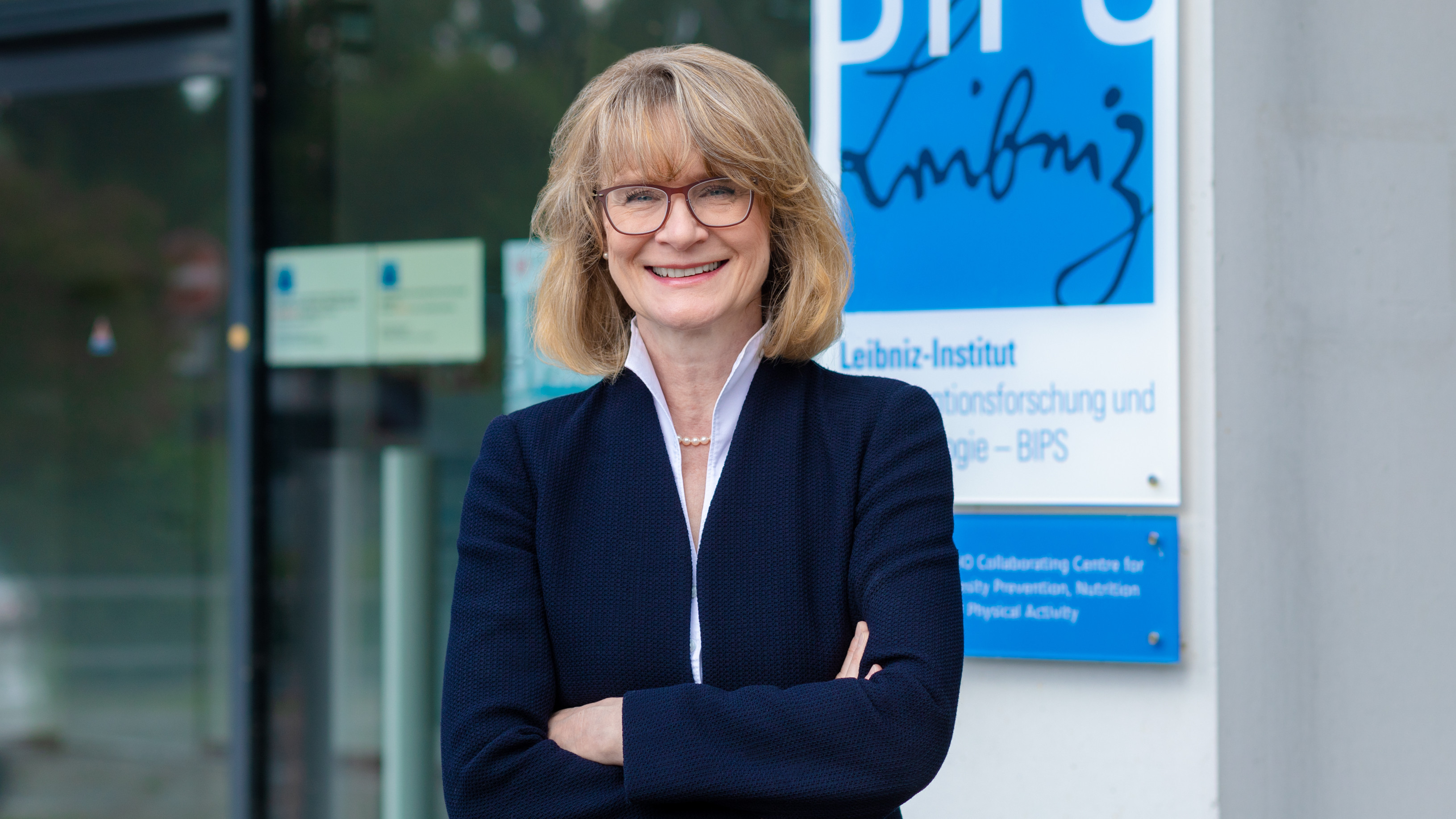
Pigeot: “Both organizations share the vision of a future in which cancer never develops in the first place, or is detected early enough to be effectively treated.” (Matej Meza/ Universität Bremen
Prof. Dr. Michael Baumann, Scientific Director and Chairman of the Executive Board of the DKFZ, describes the goal: “Through this collaboration, we are building a bridge between Helmholtz and Leibniz in the important field of preventive health care. The DKFZ and BIPS are combining their complementary strengths to apply research findings in an even more targeted manner to prevent cancer and maintain public health. The National Cancer Prevention Center, which we are establishing in strategic partnership with German Cancer Aid, plays a central role in this effort.”
Prof. Dr. Iris Pigeot, Director of BIPS, adds: “Both institutions share the vision of a future in which cancer never develops in the first place or is detected early enough to be effectively treated. This partnership creates a platform for the structured exchange of data and expertise. I am particularly pleased that two scientific organizations—Helmholtz and Leibniz—are coming together here. This signals a move toward more integrated prevention research in Germany.”
Collaboration on Four Levels
The two research institutions aim to strengthen their collaboration on four levels, thereby creating synergies. These include, among other things, the shared use of infrastructure and data sets, the promotion of early-career researchers, policy advice on cancer prevention, and the development of concrete collaborative projects.
The first joint projects, funded by German Cancer Aid and the European Union, will begin as early as this year. These projects will focus on implementing risk-adapted prostate cancer screening in Germany. The two research institutions will test different, complementary access pathways in the Rhine-Neckar region and in Bremen. The goal is to determine how high participation in this screening would be in Germany and to what extent it can be increased through low-threshold access pathways.
Background on the DKFZ and BIPS
The DKFZ is the largest biomedical research institution in Germany and a member of the Helmholtz Association of German Research Centers. With more than 3,500 employees and over 1,000 scientists, the DKFZ develops new approaches to diagnose tumors more precisely and treat cancer patients more successfully. The scientists also investigate the development of cancer, identify risk factors, and develop strategies to prevent people from developing cancer.
Through its research, BIPS develops effective strategies for the prevention of chronic, noncommunicable diseases. The primary goal is to set the course for a healthy life early on. The focus is therefore on areas of cross-disease relevance, such as lifestyle and living environment, biological and social factors, as well as early detection and treatment safety. The research spectrum ranges from method development and the identification of disease causes to intervention and implementation research; in addition, BIPS informs policymakers and the general public and is committed to academic training. BIPS is a member of the Leibniz Association.