


Digitalization in dentistry: What really helps in practice
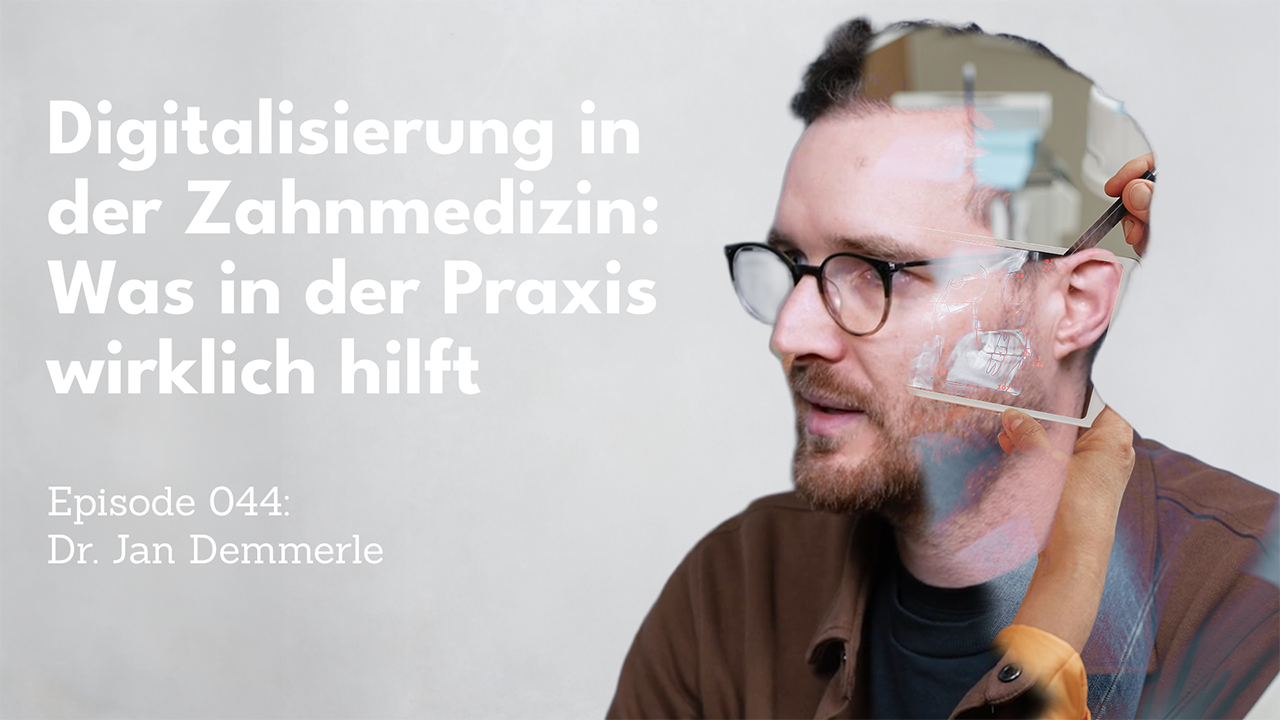
One focus is on digital medical history and patient education. Patients are increasingly entering their information digitally, and educational discussions are visually supported and directly documented. Jan describes how this not only simplifies processes, but also improves understanding of treatments and strengthens communication on an equal footing.
The change is also evident in diagnostics: 3D X-rays, digital impressions, and image-based planning enable more precise decisions and help to explain procedures better. At the same time, Jan makes it clear that digitalization in dentistry only works if it remains flexible and takes into account the different needs of patients.
On the subject of electronic patient records, Jan explains the benefits that structured information about medications and previous treatments can have in everyday practice. Especially in dentistry, where interactions and pre-existing conditions are relevant, ePA can help reduce risks—provided that technology, consent, and processes work together.
Finally, we look ahead: Artificial intelligence already supports research, documentation, and administrative tasks today. However, Jan emphasizes that AI in dentistry should primarily serve to reduce the workload—while the actual treatment continues to require experience, craftsmanship, and medical decision-making.
Watch/listen now and gain exciting insights:YouTube, Spotify, Apple, Dezer